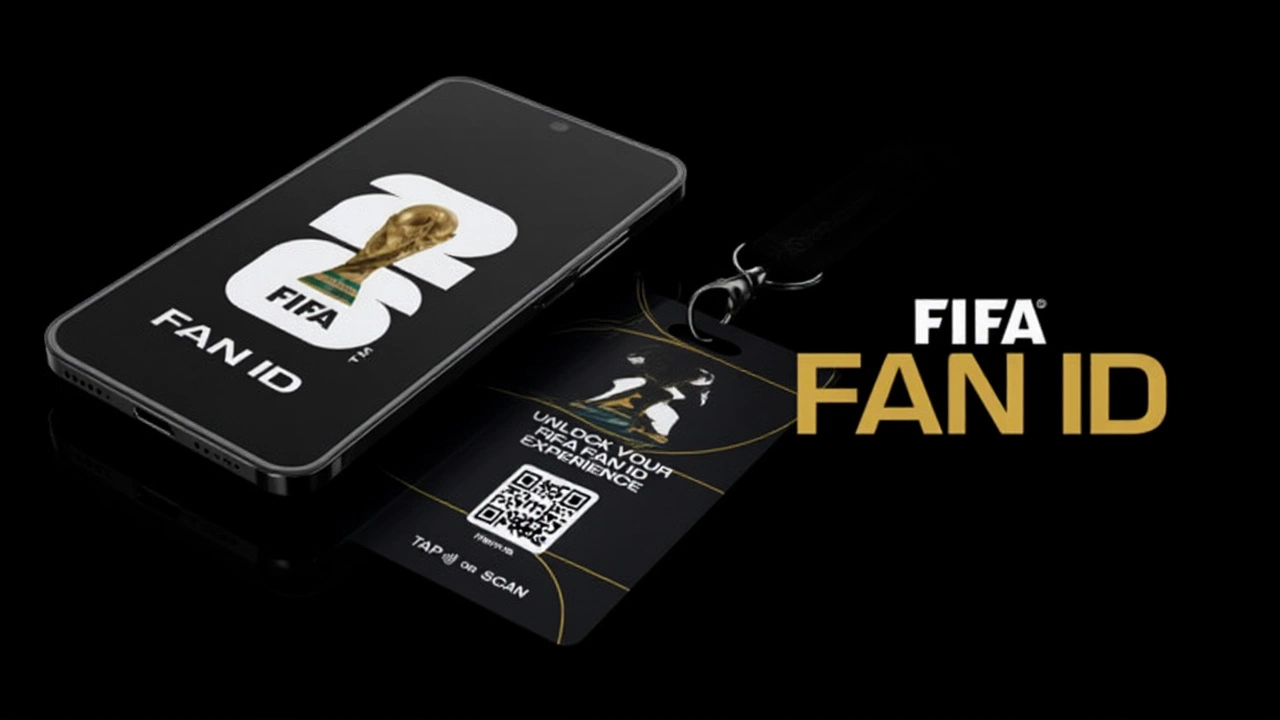
When FIFA announced the launch of the "FIFA Fan ID" earlier this year, it wasn't just another administrative update. It was a signal that the upcoming tournament would operate differently than anything fans had experienced before. Think of it less like a standard entry pass and more like a master key to an entire ecosystem of perks.
The card is designed specifically for supporters attending the 2026 FIFA World Cup. While details remain somewhat vague on exactly which benefits are unlocked, FIFA describes the ID as a gateway to "exclusive experiences" throughout the tournament. For millions of fans planning their trips across North America, this digital credential could become the most important item in their pocket—second only to their match tickets.
More Than Just Identification
Here’s the thing: getting into a stadium has always been about security and access. But FIFA seems to be pivoting toward engagement. The Fan ID isn’t just proof that you’re who you say you are; it’s tied directly to your official FIFA Account.
This integration means your preferences, purchase history, and even your declared favorite team are linked to one profile. Why does that matter? Because personalized marketing and loyalty rewards are becoming standard in major sports leagues. If you’ve ever wondered why some fans get early access to merchandise or VIP lounge invites, this ID system likely powers those decisions behind the scenes.
Oddly enough, while the concept sounds futuristic, the execution relies on familiar tech. You don’t need a new app or hardware. It’s built into the existing infrastructure used for ticket sales. That said, the specific perks attached to the ID haven’t been fully detailed yet. Is it priority seating? Fast-track entry at stadiums? Exclusive meet-and-greets? The fine print is still emerging.
Navigating the Ticketing Maze
Let’s talk about how you actually get there. Buying tickets for the 2026 World Cup involves a multi-step process that can feel overwhelming if you’re not paying attention. According to recent guides, everything starts on the official FIFA website.
You’ll need to create or log into your FIFA account first. This requires filling out mandatory personal details: your full address, postal code, mobile number, and crucially, confirming which national team you support. Yes, they ask which team you root for. It might seem trivial, but this data helps FIFA manage demand distribution across different matches.
Once your profile is set, you enter the "Draw Overview." Here’s where things get tricky. Most matches won’t be available for direct purchase. Instead, fans must apply through a "Random Selection Draw." You pick the matches you want, select your preferred ticket category (like Category 1), and submit your application. Then… you wait.
If selected, payment is processed via Visa or Mastercard. Note that international cards are essential here. Local bank transfers or cash payments aren’t options. Prices vary wildly depending on the match stage and location, with placeholder figures often shown during the application phase until final allocation occurs.
Why This Shift Matters
The move toward a unified Fan ID reflects broader trends in global event management. Large-scale tournaments like the Olympics or Euro Cup have experimented with similar systems, but FIFA is scaling it up significantly for the 2026 edition hosted jointly by the United States, Canada, and Mexico.
Consider the logistics: 16 host cities, 104 matches, and potentially over 10 million attendees. Managing crowd flow, security checks, and fan services manually is impossible. A centralized digital ID allows organizers to track attendance patterns, offer targeted promotions, and enhance safety protocols in real-time.
But there’s a flip side. Privacy advocates have raised concerns about data collection. Linking your identity, financial info, and fandom preferences creates a rich dataset. While FIFA assures users that data protection standards are high, the sheer volume of information collected is unprecedented in football history.

What Fans Need to Know Now
So, what should you do right now? First, ensure your FIFA account is active and updated. Second, monitor official communications closely. Third, prepare your payment methods well in advance. Credit card limits may need adjusting if you plan to bid on multiple matches.
Don’t fall for third-party sellers promising guaranteed access. Only transactions through the official platform count toward your Fan ID status. Scams proliferate around major events, so vigilance is key.
Also, keep an eye on draw dates. Applications open in waves, not all at once. Missing a window could mean missing out entirely on certain high-demand games, especially knockout stages.
Frequently Asked Questions
How do I obtain the FIFA Fan ID?
The FIFA Fan ID is automatically generated when you register for an official FIFA account on the designated World Cup portal. You must complete your profile with accurate personal details, including your home address and phone number. No separate application fee is required for the ID itself, though purchasing tickets incurs costs.
What exclusive benefits come with the Fan ID?
While FIFA hasn't released a comprehensive list, reports suggest benefits include priority access to certain merchandise, potential fast-track security lanes at venues, and eligibility for special fan zone activities. Some sources indicate it may unlock digital content or commemorative items unique to ID holders.
Can I use any credit card for ticket purchases?
Yes, but only Visa and Mastercard are accepted for online transactions. Ensure your card supports international payments and has sufficient credit limit. Prepaid cards or local debit cards without international flags may fail during checkout, causing missed opportunities in the random draw process.
Is my personal data safe with FIFA?
FIFA states compliance with global data protection regulations like GDPR. However, users should review the privacy policy carefully. Your data links your identity, financial habits, and sporting preferences. While useful for service delivery, it also creates a detailed digital footprint managed by the governing body.
How does the Random Selection Draw work?
Fans apply for specific matches within designated time windows. Due to high demand exceeding supply, applicants are selected randomly rather than first-come-first-served. Successful applicants receive an invoice to pay via card. Unsuccessful applicants are notified after the draw closes, allowing them to try other matches.