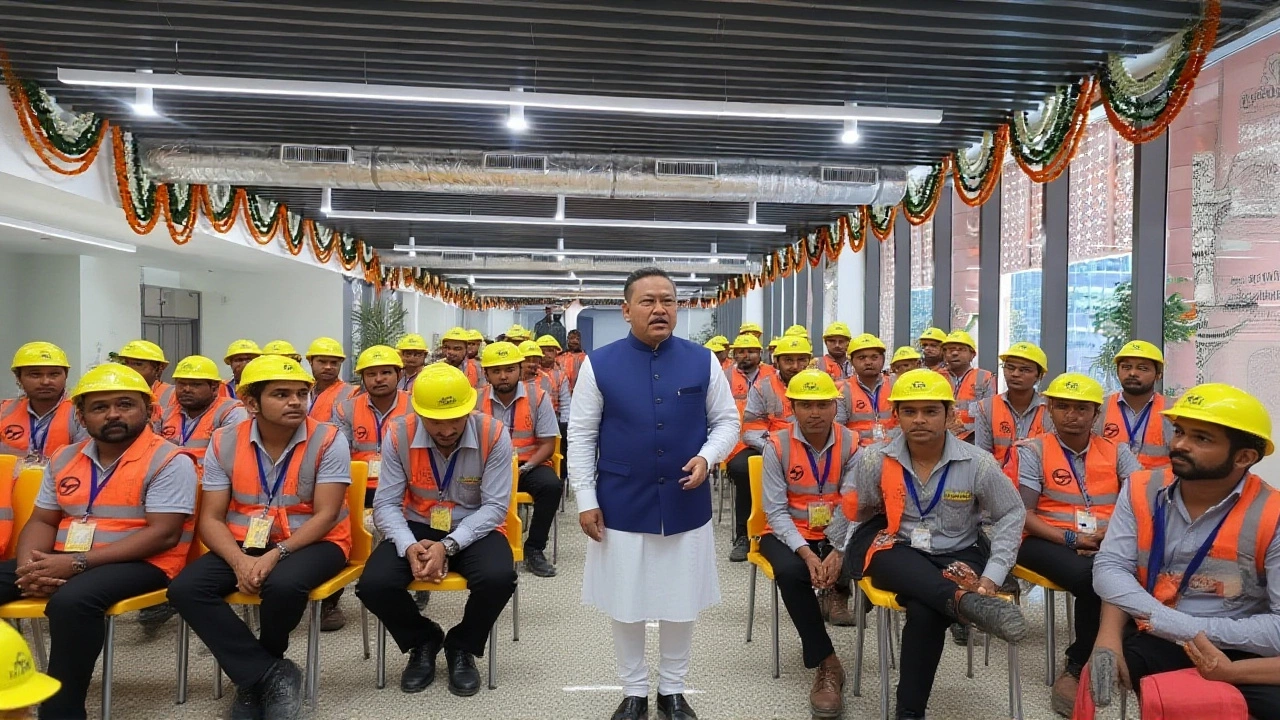
At exactly 12:00 AM UTC+5:30 on November 21, 2025, India’s 500 million workers—formal and informal alike—woke up to a new reality. The government quietly but decisively enacted four sweeping labour codes, replacing 29 outdated laws with a unified framework designed to modernize work life across the world’s second-most populous nation. This wasn’t just bureaucratic housekeeping. It was a structural reset for how India treats its workforce, especially the invisible millions in gig jobs, plantations, and small factories who’d long been left out of the system. For the first time, a Bhupender Yadav, Union Labour Minister, stood at the center of a reform that could redefine dignity, pay, and safety for generations.
What Changed? The Four Codes, Explained
The four new codes—Code on Wages, 2019, Industrial Relations Code, 2020, Code on Social Security, 2020, and Occupational Safety, Health and Working Conditions Code, 2020—don’t just simplify paperwork. They rewrite rules that hadn’t meaningfully shifted since the 1940s. One of the most immediate shifts? Gratuity. Previously, workers needed five years to qualify. Now, if you’re on a fixed-term contract in IT, logistics, or media, you earn it after just one year. That’s a lifeline for contract workers who’ve long been treated as disposable. The Ministry of Labour and Employment also mandated that basic salary must be at least 50% of total compensation (CTC). That’s a double-edged sword: it prevents employers from hiding wages under vague allowances, but it may shrink take-home pay if companies don’t adjust overall packages. And for the first time ever, minimum wage applies universally—not just to scheduled industries, but to every corner of the economy, from Beedi rollers in Bihar to app-based delivery riders in Bengaluru.Workers Gain Ground—But With Conditions
The reforms bring hard-won rights to groups long ignored. Women can now legally work night shifts across all sectors, provided they give written consent and employers install safety measures like transport and lighting. No more blanket bans disguised as protection. Plantation workers, previously excluded from safety laws, are now covered under the Occupational Safety, Health and Working Conditions Code. Beedi and cigar workers get the same wage and hour protections as factory staff. Even gig workers—15 million of them—are now formally included under the Code on Social Security, 2020. They’ll get access to provident funds, health insurance, and maternity benefits. That’s historic. And the requirement for bonus eligibility dropped from 240 days to just 30 days of work in a year. For seasonal labourers, this could mean a meaningful year-end payout where before there was nothing. The working day is now capped at 12 hours, with a weekly limit of 48. Overtime must be voluntary and paid at double the rate. Delayed wages? Fines. No more loopholes. The Ministry of Labour and Employment estimates this will reduce compliance burden by 70% for employers—no more juggling licenses from five different departments.Who’s Happy? Who’s Wary?
Industry groups like the Confederation of Indian Industry (CII) and Federation of Indian Chambers of Commerce & Industry (FICCI) cheered. "This is the clarity businesses have waited decades for," said a FICCI spokesperson. "Predictability is the new currency of growth." But labour unions aren’t celebrating yet. The Indian National Trade Union Congress (INTUC), All India Trade Union Congress (AITUC), and Hind Mazdoor Sabha (HMS) are demanding clearer timelines and stronger enforcement. "The law is progressive on paper," said AITUC’s regional secretary in Tamil Nadu. "But what good is a night-shift right if there’s no safe transport? What’s a gratuity if the employer vanishes after six months?" The Ministry of Labour and Employment has given states six months—until May 21, 2026—to fully operationalize the codes. Each state’s Department of Labour must now train inspectors, update digital systems, and ensure compliance. All establishments with 10 or more workers must register on the new portal, labour.gov.in/labourcodes, by January 31, 2026.The National Floor Wage and Its Real-World Impact
The national floor wage is set at ₹260 per day—roughly $3.10 USD. Sounds low? It is. But it’s not meant to be a living wage. It’s a floor. States can—and many already have—set higher minimums. Maharashtra, for example, set its floor at ₹500. Delhi at ₹570. The goal is to prevent race-to-the-bottom competition between states. By March 31, 2026, every state must align its minimum wage with this floor. That’s a ticking clock for 36 jurisdictions. BDO India Partner Rajesh Krishnan put it best: "The framework balances flexibility for employers with safety and predictability for workers." That’s the tightrope India’s trying to walk.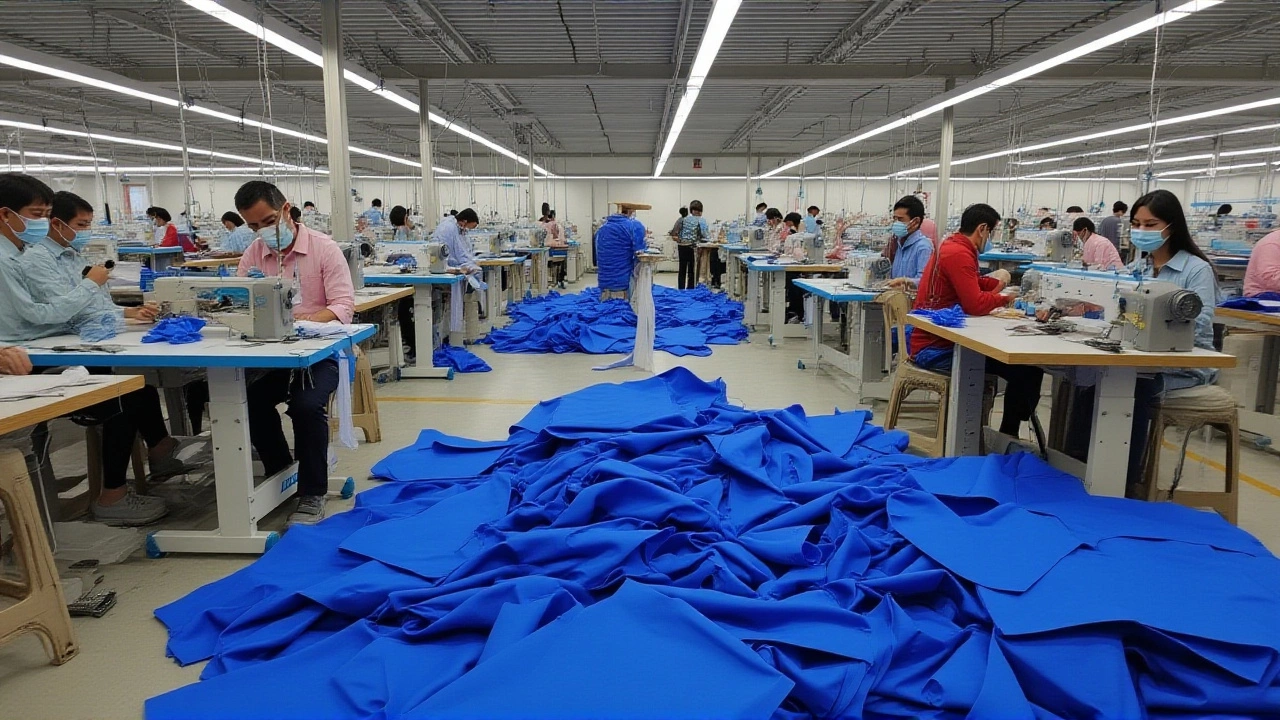
What Comes Next?
The next six months will be critical. Will state governments have the staff and tech to enforce these rules? Will small employers, especially in rural areas, be able to adapt? Will gig platforms like Apna's Jobs Marketplace actually contribute to social security funds as required? Kartik Narayan, Apna’s CEO, says yes—"This formal recognition gives employers hiring flexibility while ensuring workers are not left without basic protection." But the real test isn’t in the law. It’s in the implementation. And that’s where history has failed India before.Background: Why This Matters Now
India’s labour laws were a patchwork of statutes dating back to colonial times. The 2014-2019 NDA government began consolidating them, but implementation stalled. The pandemic exposed how broken the system was: millions of migrant workers walked hundreds of miles home because they had no safety net. The codes are the government’s answer. But they’re not a magic fix. This reform is part of a broader push to formalize India’s economy—where over 90% of workers are in the informal sector. By bringing gig workers into the system, the government isn’t just protecting rights. It’s creating a tax base, a data trail, and a social contract.Frequently Asked Questions
How does this affect gig workers in India?
For the first time, 15 million gig and platform workers—delivery riders, app-based drivers, freelance designers—are formally covered under the Code on Social Security, 2020. They’re now eligible for provident fund contributions, health insurance, and maternity benefits, though the exact contribution rates are still being finalized by state governments. Employers, including platforms, must now register these workers and contribute a portion of their earnings to state-managed funds. This is a major shift from the previous system where gig workers had zero statutory protections.
Will my take-home pay decrease because of the 50% basic salary rule?
Possibly. If your CTC includes high allowances (like HRA, transport, food), and your employer doesn’t increase your total package, your basic salary will rise to meet the 50% threshold, but other components may shrink. That could reduce your tax savings, since allowances are often tax-exempt. Employers are expected to adjust total compensation to avoid pay cuts, but many small firms may delay this. Workers should review their payslips closely after January 2026.
What happens if my employer doesn’t register by January 31, 2026?
Establishments with 10+ workers that fail to register on the labour.gov.in/labourcodes portal by January 31, 2026, face penalties including fines of up to ₹50,000 and possible closure orders. State labour departments are rolling out digital audits and surprise inspections. Workers can report non-compliance anonymously through the portal. This is a major upgrade from the past, where enforcement was sporadic and inconsistent.
Can my employer force me to work overtime?
No. Under the new Occupational Safety Code, overtime must be voluntary and compensated at double the regular wage. Employers cannot penalize workers who refuse. This overturns long-standing practices in manufacturing and retail, where overtime was often mandatory under threat of pay cuts or termination. Workers now have legal recourse if pressured—file a complaint with the state labour commissioner’s office.
Are women really free to work night shifts now?
Yes, but with safeguards. Women can now work night shifts (before 6 AM or after 7 PM) in any sector, provided they give written consent and employers provide safe transport, lighting, and security personnel. This ends decades of paternalistic bans. However, enforcement will vary. In states with weak labour departments, compliance may lag. Workers should document any pressure to work nights without consent—this is now a punishable offense.
What’s the timeline for full implementation?
The central government gave states until May 21, 2026, to fully operationalize the codes. Key milestones include: registration for 10+ worker establishments by January 31, 2026; alignment of state minimum wages with the ₹260 national floor wage by March 31, 2026; and full enforcement by May 21, 2026. The Ministry of Labour and Employment will publish monthly state-by-state compliance reports starting February 2026.