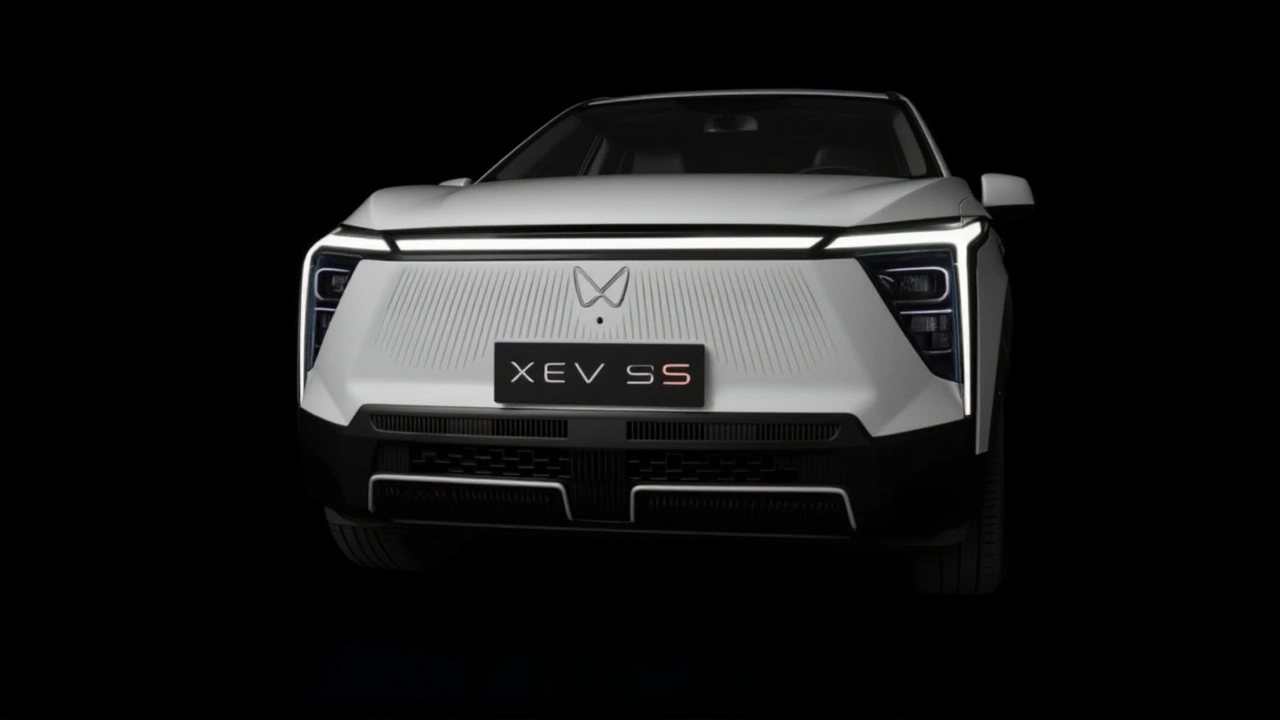
On Thursday, November 27, 2025, at 6:17 PM UTC, Mahindra & Mahindra Limited unveiled the XEV 9S—India’s first ground-up, mass-market, three-row electric SUV—at its headquarters in Mumbai, Maharashtra. Priced from Rs. 19.95 lakh (ex-showroom), the XEV 9S isn’t just another EV. It’s a direct challenge to the idea that premium electric SUVs must cost Rs. 80 lakh or more. And it’s designed for families who want space, tech, and performance without the luxury markup.
Why This Launch Changes the Game
For years, Indian buyers looking for a seven-seater electric SUV had two choices: compromise on space or pay European or American premiums. The XEV 9S breaks that mold. Built on Mahindra’s proprietary INGLO platform, it’s not a modified XUV700 or a stretched hatchback. It’s engineered from the ground up for seven passengers, with a 527-litre boot, 150-litre frunk, and seating that actually works for adults in the third row. That’s rare. Even Tesla’s Model Y and Hyundai’s Ioniq 7 don’t offer this in India.Performance, Range, and Battery Options
The XEV 9S comes with three battery packs: 59 kWh (228 bhp), 70 kWh (241 bhp), and 79 kWh (282 bhp)—all delivering 380 Nm of torque. Mahindra claims a 0–100 km/h sprint of just seven seconds for the top variant. That’s faster than many gasoline-powered SUVs in this class. The top-spec model, the Pack Three Above, is priced at Rs. 29.45 lakh, but here’s the twist: it’s still Rs. 1.95 lakh cheaper than the XEV 9e, Mahindra’s own five-seater EV, despite sharing the same platform. That’s not a pricing error—it’s a statement. Real-world range? Over 500 km, according to the first look video from CarAndBike. Fast charging is supported across all variants, though exact times remain undisclosed. What’s clear: this isn’t a city car. It’s built for highway runs, weekend trips to the hills, and packed family vacations.Features That Matter
The XEV 9S doesn’t just pack power—it packs tech. Standard across higher trims: ADAS with adaptive cruise and lane-keeping, auto parking, a drowsiness detector that actually monitors driver fatigue, Harman Kardon audio, multi-colour ambient lighting, and dual-zone climate control. Leatherette seats, 20-inch alloys, and a 15.6-inch touchscreen complete the premium feel. And unlike some rivals that strip features at lower price points, Mahindra’s entry-level variant still includes key tech like rear parking sensors and Apple CarPlay.Customer Timeline: A Different Approach
Here’s where Mahindra stands out from the competition. Most EV makers take deposits before you’ve even sat in the car. Mahindra won’t. Test drives begin Friday, December 5, 2025. Only after that—on December 14, 2025—can customers configure their preferred variant and color online. Bookings open January 14, 2026. Deliveries start January 23, 2026. That’s deliberate. Mahindra knows Indian buyers are cautious. They want to feel the seats, test the third-row legroom, and see the infotainment in daylight. By delaying bookings until after test drives, they’re betting on confidence over speed. CarDekho called it “a rare display of customer-first discipline” in an industry that often prioritizes pre-orders over experience.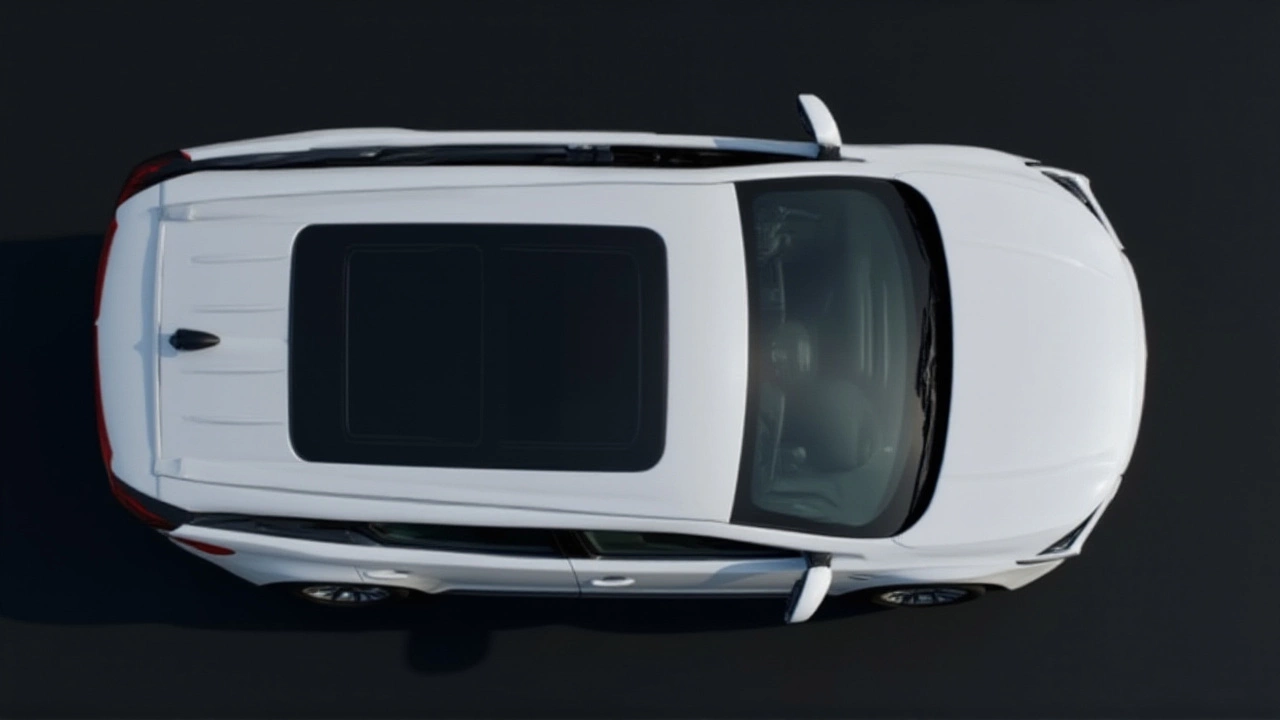
Market Strategy and Ambition
Mahindra’s executives didn’t mince words at the launch: they aim to capture 35% of India’s premium electric SUV segment within 18 months. No sales targets were shared, but the math is simple. The XEV 9S undercuts the Volkswagen ID.7, Kia EV9, and even the upcoming Hyundai Ioniq 7 by Rs. 20–30 lakh. It’s not just affordable—it’s aggressively priced. Analysts from CarWale note this is Mahindra’s boldest EV play yet. While Tata Motors dominates the compact EV space and MG Motor focuses on value, Mahindra is now targeting the upper-middle-class family—the demographic that traditionally buys the XUV700. The XEV 9S is that car, electrified.What’s Next?
Production is expected to ramp up at Mahindra’s Chakan plant in Pune by March 2026. Dealerships across 150 cities will be ready for deliveries by February. The real test? Charging infrastructure. Mahindra hasn’t announced a dedicated fast-charging network yet, but it’s partnering with Tata Power and EVgo for public access. If they nail this, the XEV 9S could become India’s best-selling premium EV by 2027.Why This Matters to You
If you’re a middle-class family in Delhi, Bengaluru, or Hyderabad, the XEV 9S might be the first electric SUV that actually fits your life. Seven seats. Real range. Premium features. No luxury brand premium. And if Mahindra delivers on its timeline, you could be driving one before summer 2026.Frequently Asked Questions
How does the XEV 9S compare to the Tata Nexon EV Max in terms of space and price?
The Tata Nexon EV Max is a five-seater with a 45.6 kWh battery and a range of 450 km, priced around Rs. 17 lakh. The XEV 9S, at Rs. 19.95 lakh, offers three rows, a 59 kWh battery, 500+ km range, and more advanced tech like ADAS and Harman Kardon audio. It’s not a direct competitor—it’s a different category entirely, targeting families who need seven seats.
Why is the XEV 9S cheaper than the XEV 9e despite being larger?
Mahindra is using economies of scale and vertical integration. The INGLO platform allows shared components across models, and by focusing on mass-market appeal rather than premium branding, they’ve cut marketing and luxury finish costs. The XEV 9e was positioned as a halo EV; the XEV 9S is designed to move volume.
Will the XEV 9S qualify for FAME II subsidies?
Yes, as a battery electric vehicle under Rs. 30 lakh, the XEV 9S qualifies for the FAME II subsidy of up to Rs. 1.5 lakh on the base variant. That brings the effective starting price down to Rs. 18.45 lakh, making it even more competitive against ICE seven-seaters like the Toyota Innova Crysta.
What’s the warranty on the battery and drivetrain?
Mahindra offers an 8-year or 160,000 km warranty on the battery and electric drivetrain—matching the industry’s best. This is critical for buyers concerned about long-term EV ownership costs. No other Indian automaker offers this level of coverage on a seven-seater EV.
Can the XEV 9S tow a trailer or caravan?
Mahindra hasn’t officially disclosed towing capacity, but given the 380 Nm torque and robust chassis, it’s likely capable of towing up to 1,500 kg—sufficient for small trailers or caravans. This makes it one of the few EVs in India suitable for weekend getaways with gear in tow.
Is the XEV 9S available with left-hand drive for export markets?
Currently, the XEV 9S is only offered in right-hand drive for the Indian market. However, Mahindra has confirmed plans to export the model to Southeast Asia and Latin America in 2027, with left-hand drive variants expected to follow based on regional demand.